You just bought your first AAPL stock but do you actually own it? That depends on where you bought it.
As stocks get tokenized, users get more options to decide how and where they want to trade stocks. However, behind the slick apps, an AAPL stock obtained via a traditional brokerage is not the same as buying an AAPL token on Robinhood Chain.
This distinction matters a lot but is usually lost behind the bold marketing claims. It determines whether you have full rights as a shareholder and even if you have any recourse if something does go wrong.
This article goes deeper into the Real World Asset (RWA) narrative and attempts to objectively compare the practical differences now, as well as where it is heading.
Note: While HyperLiquid has the largest RWA trade volume, it is excluded from this analysis as the asset there is purely synthetic. That is, there is no real stock being traded and users are just trading on the price of a financial derivative.
When A Stock Is Not A Stock
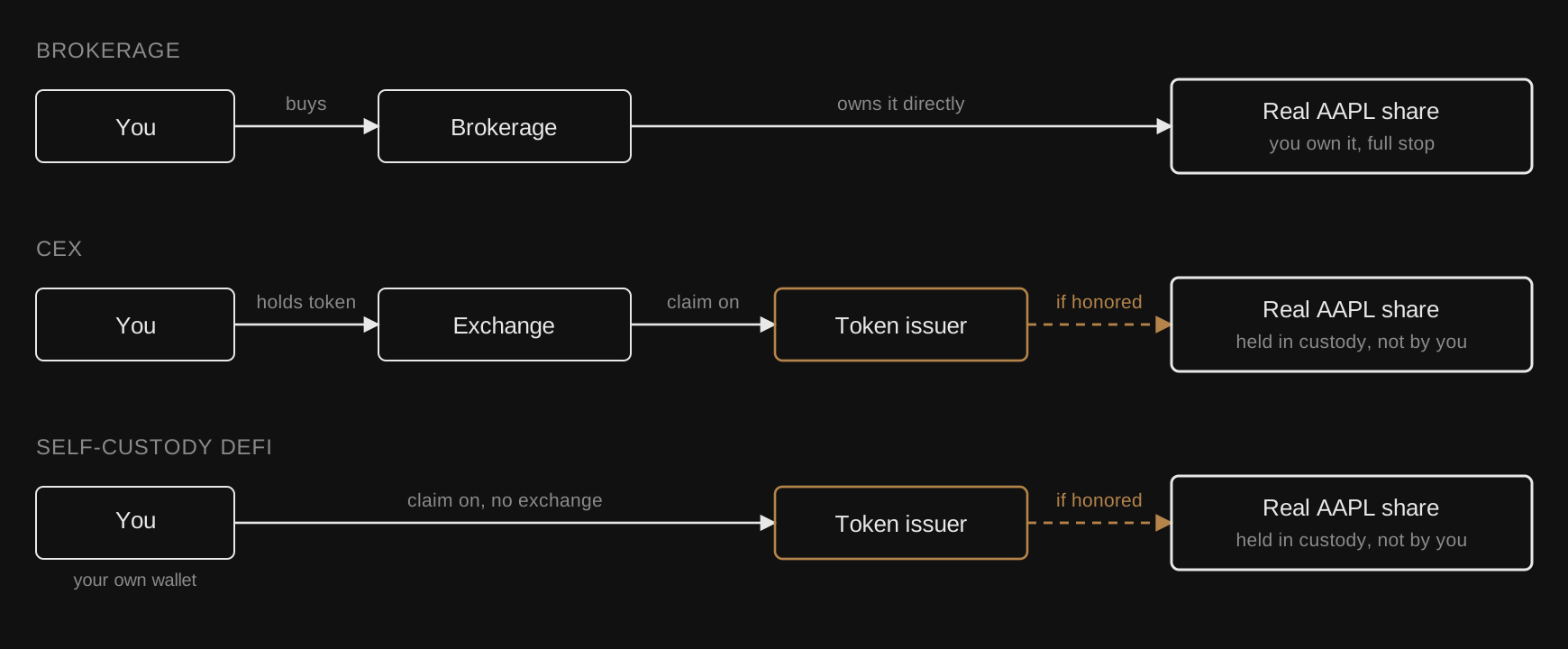
There are 3 main ways you can now purchase stocks:
- Traditional Brokerages - A regulated firm (e.g. Charles Schwab, Robinhood, etc.) that buys and holds the real stock for you.
- Centralized Exchanges - A crypto exchange (e.g. Binance, Coinbase, etc.) that issues its own tokens which track the stock price. The exchange holds that token in your account for you.
- Decentralized Finance - A regulated firm issues a token that tracks the stock. You can hold that token in your own crypto wallet.
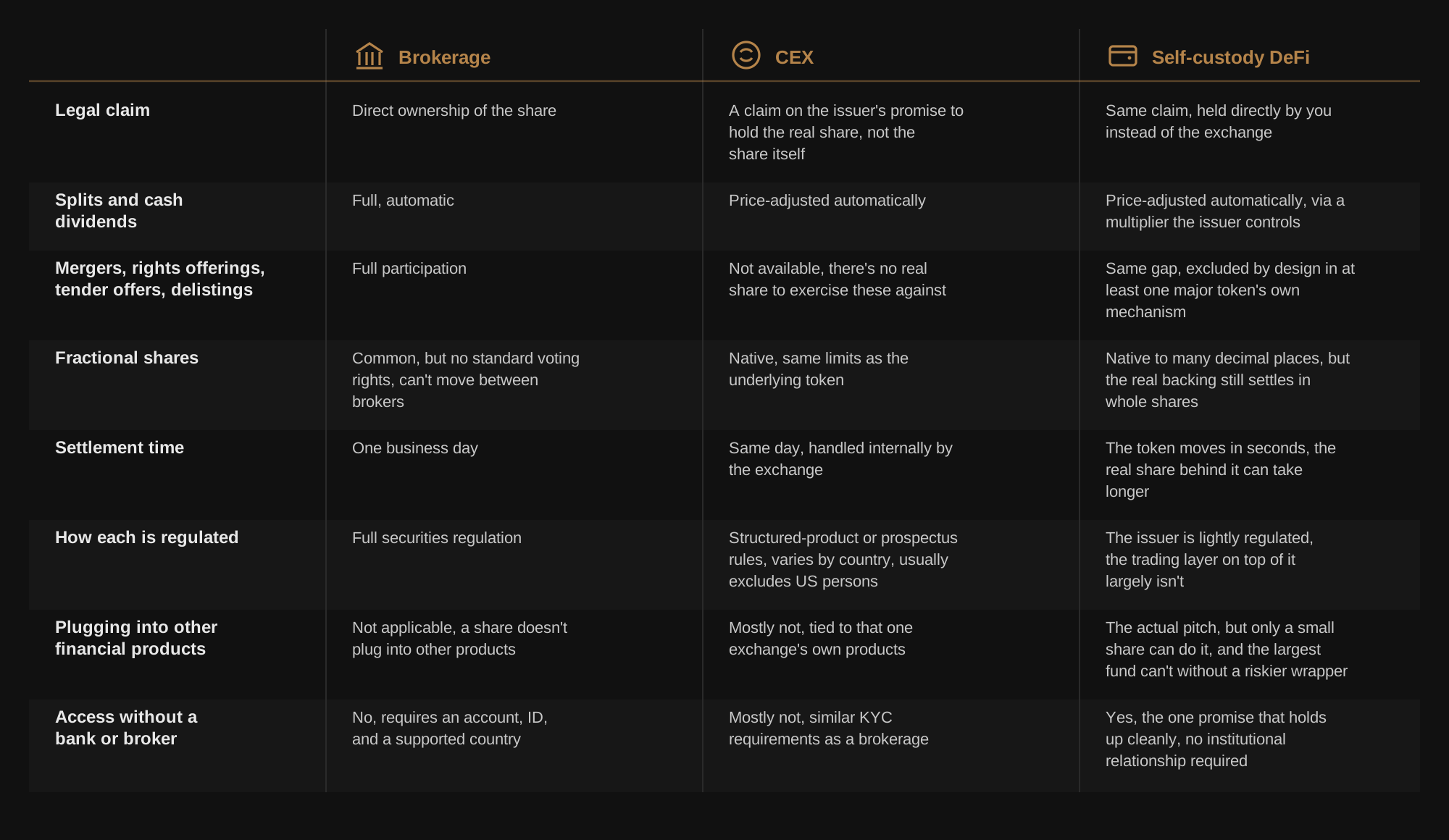
Once a stock is tokenized, what you hold goes from being the real share to being a claim on the share itself. In simple terms, when buying shares outside a brokerage firm, you don’t own the actual shares.
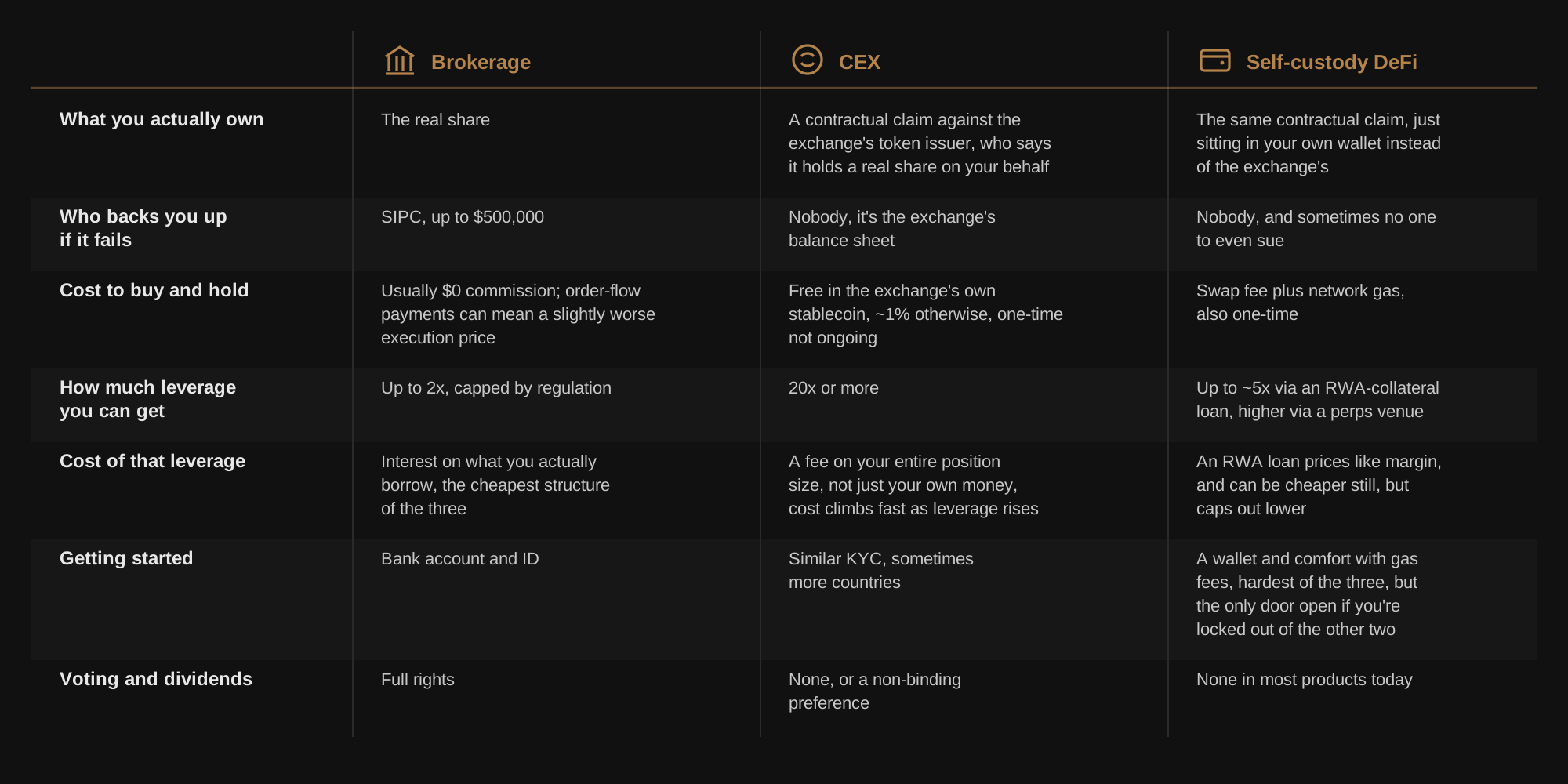
Buying a tokenized stock is akin to buying a gift card that is redeemable for a stock. The issuer of the gift card gets to set and decide the redemption terms. If the issuer goes under, the gift card might no longer be honoured.
As the token is usually just a claim, the voting rights linked to a share are also not guaranteed. Additionally, any payouts or share changes from corporate actions (e.g. dividend, stock split, etc.) depend on the issuer implementing them on the token.
Given that the RWA space is just getting started, these claims will likely mature towards full rights over the share. However, this will take time as regulations need to catch up.
What Are The Risks?
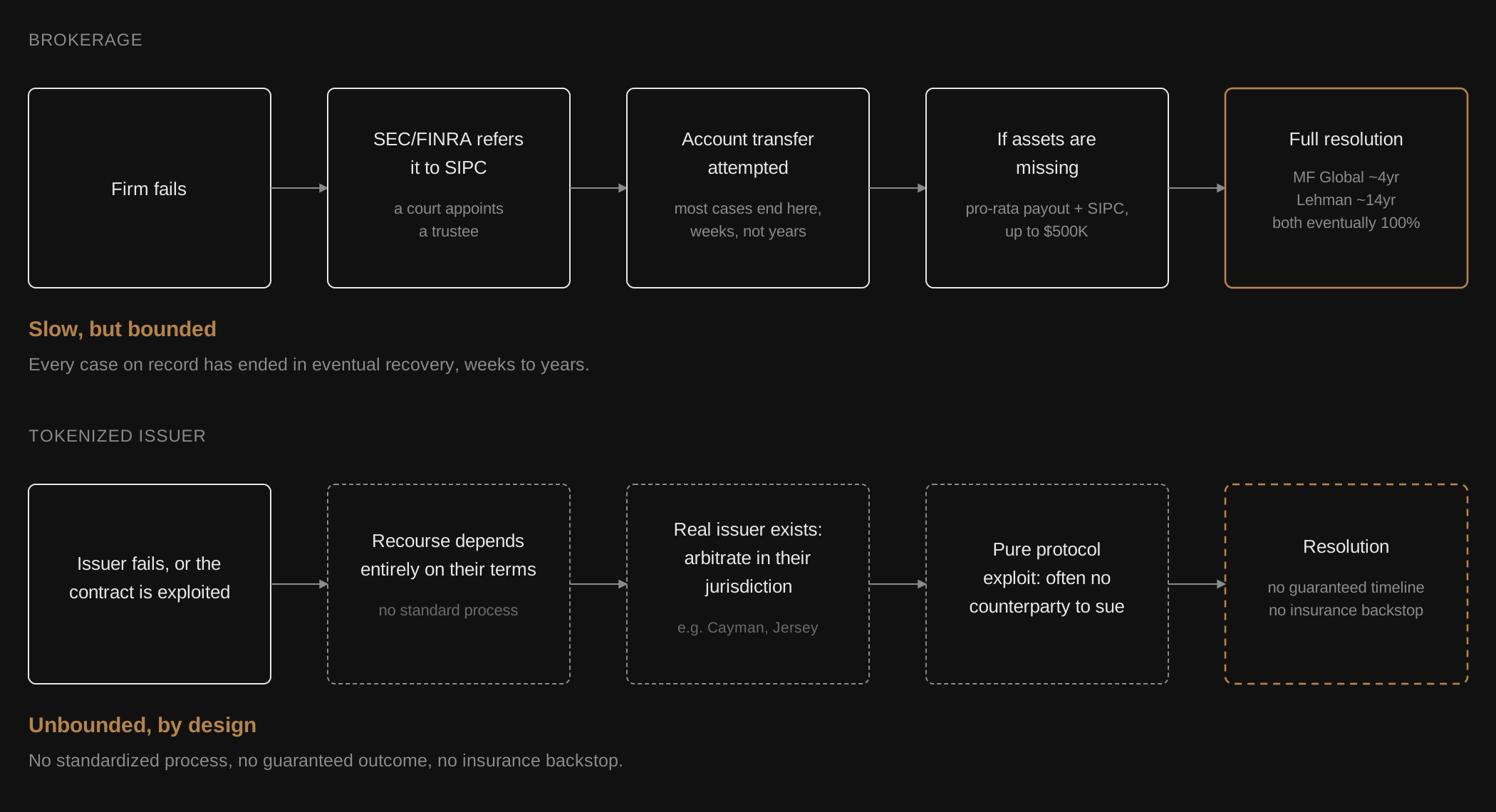
If you just want price exposure to the stock, holding the stock on a brokerage or holding its tokenized equivalent will be sufficient. However, even when holding a tokenized stock, the risks that you are exposed to differ.
There is currently no clear path to recovery if something happens to your tokenized stock. In the brokerage case, while it may take years to resolve, there is at least an established process which has been proven to work.
This counterparty risk is real as the majority of the RWAs in DeFi are issued by a handful of firms:
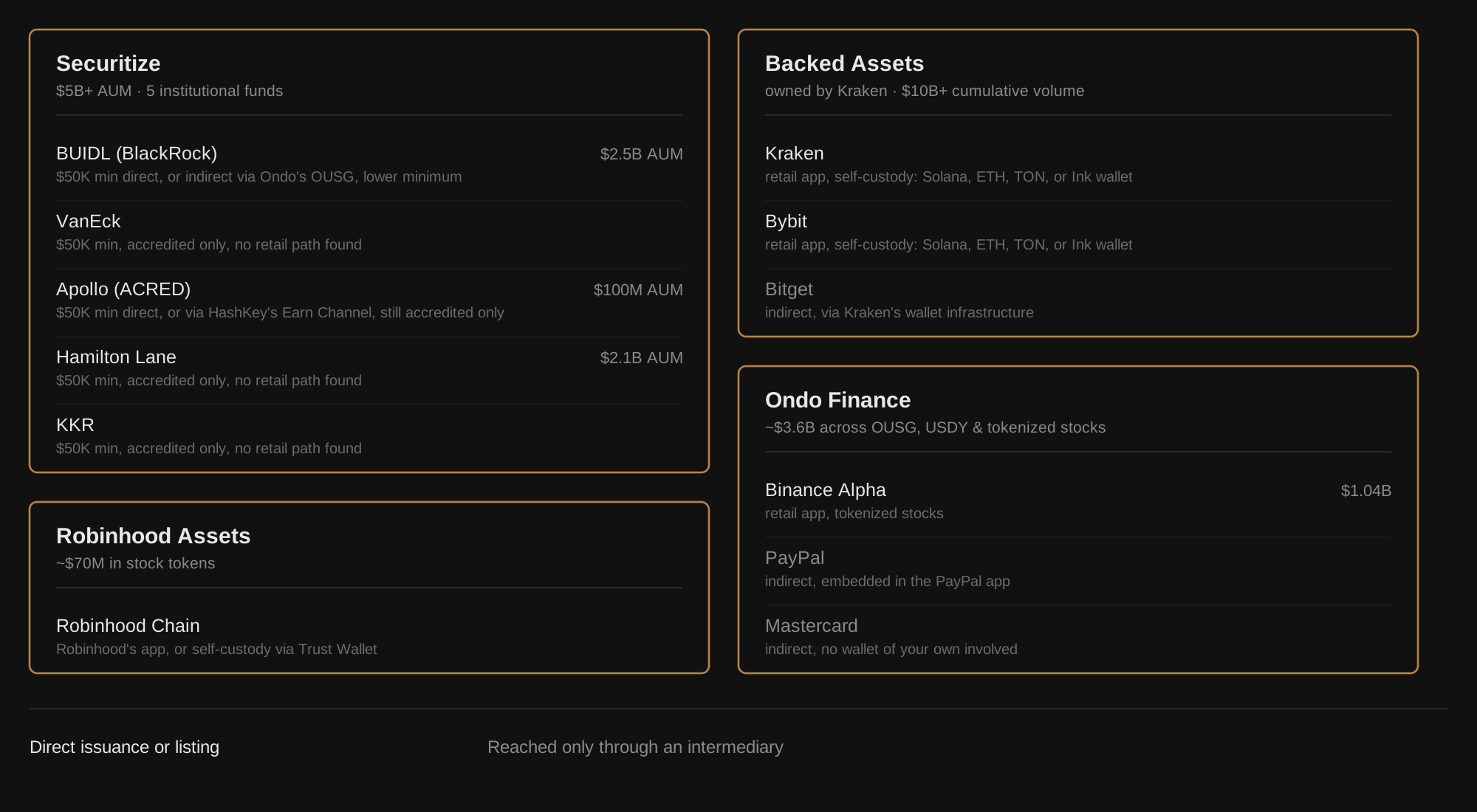
- Backed Assets - Owned by Kraken. Listed on Kraken & Bybit. Accessed by Bitget.
- Securitize - Issues tokens for BlackRock (BUIDL), Vaneck, Apollo, Hamilton Lane, and KKR.
- Robinhood Assets Limited - Issues tokens that trade on the Robinhood Chain.
- Ondo Finance - Ondo issued tokens distributed by Binance Alpha. Accessed via PayPal & Mastercard.
Where traditional brokerages have a leg up is due to the established legal protections which allow the user to claim their shares from the underlying depository (ultimate decider of who owns what stocks). In practical terms, you actually own the share bought on a brokerage versus the uncertainty of claims when buying a tokenized stock.
Why Tokenize At All?
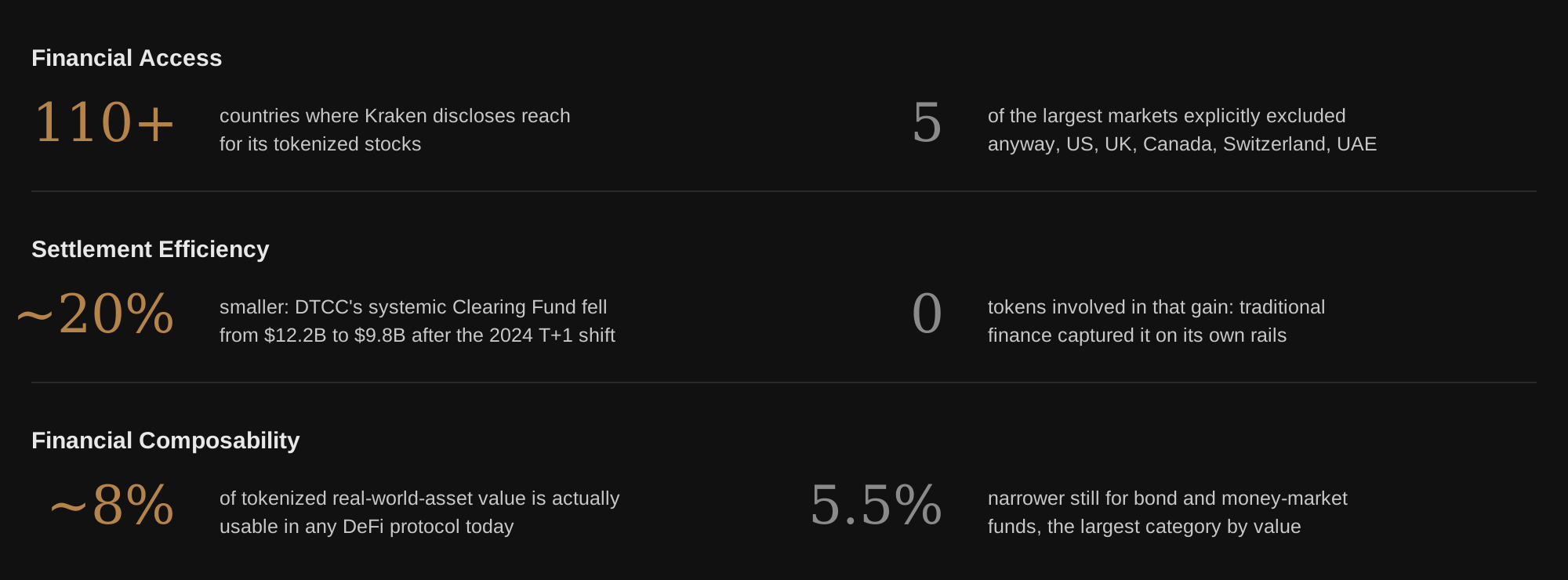
The RWA narrative is largely driven by promises of greater financial access which in turn also means greater distribution for the companies issuing them. The reasons for tokenizing can generally be split into the following:
- Financial Access - Users don’t need an institutional relationship. Anyone globally can also interact with the contract.
- Settlement Efficiency - Tokens move in seconds with lower operational costs for the issuer, which increase their margins.
- Financial Composability - Stocks can be permissionlessly structured into various financial products to generate new income streams. This includes yield tokenization (i.e. bond stripping) which is usually not accessible to retail.
Only some of the promises above have come to fruition but the bet is on the trajectory and not the current state.
What Does It Mean For You?
If you already have a brokerage account, there isn’t much reason to hold RWAs today. It significantly changes your risk profile without a proportional benefit. Brokerages already cover most of what is currently marketed as new, and a few practical angles rarely make it into the pitch at all:
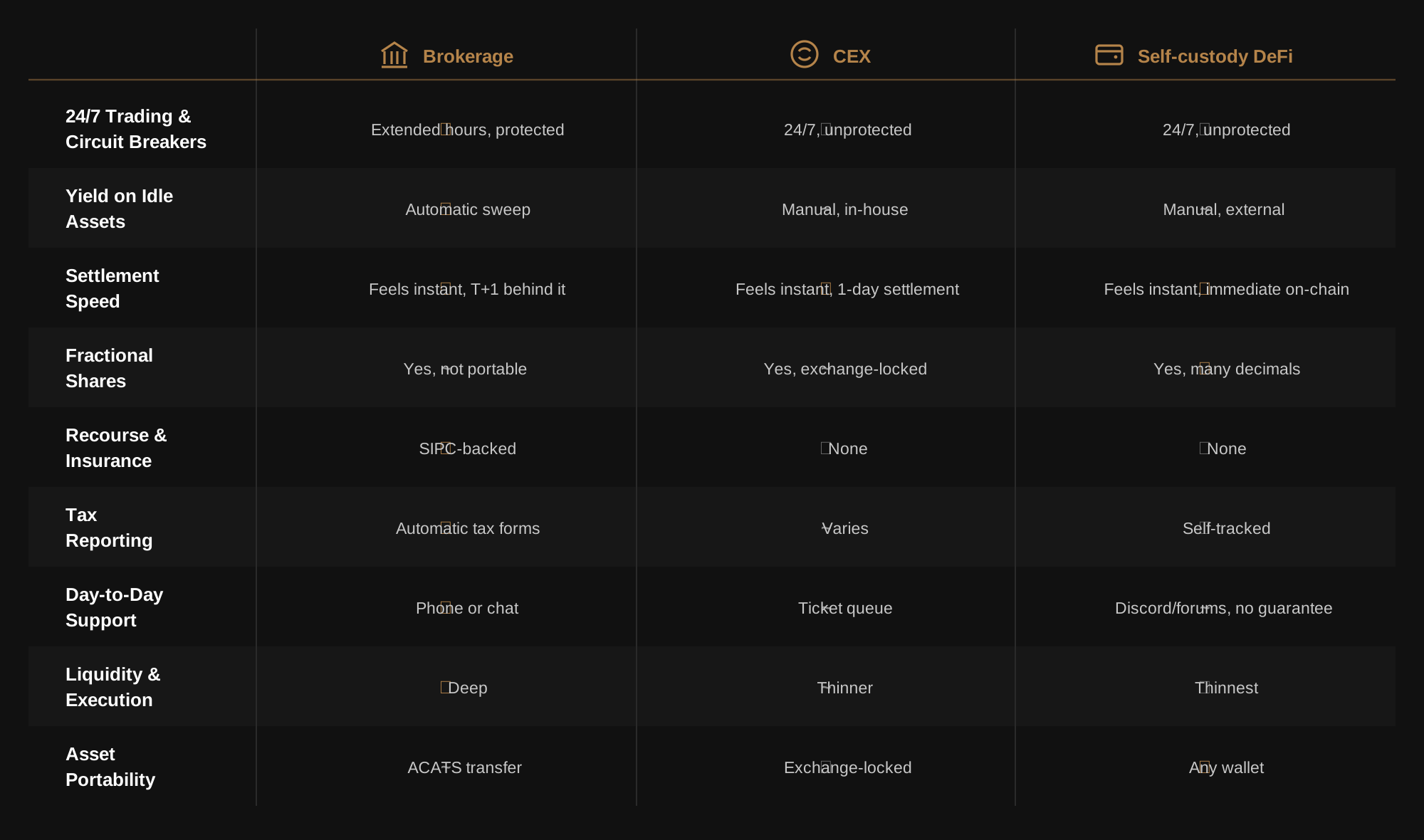
For someone without a brokerage account, CEXs and self-custodial DeFi wallets provide them a way to access these markets. This is a grey area depending on the regulations a user must abide by but there is proven demand for this.
The reason why the RWA space is still worth watching is that the space for financial innovation greatly expands once the gaps are closed. Some gaps are structural but most are temporary as the tech facilitates more open and efficient rails.
The industry is betting that these are growing pains much like the DeFi story in 2020 before proving itself since then. Whether this pays off is an open question but for most readers, the honest comparison favors the boring option.
Understanding the technology matters because the industry has every incentive to blur it. A token that looks and trades like a stock but carries none of the stock’s real protections benefits the issuer at the expense of the buyer.