Prying
Interactive pieces
Arguments made through interaction rather than prose. Each piece pries a system open to show what you are actually trusting and where that trust has broken before. The prose arguments live in writing; the mechanics live in guides.
Power & Control
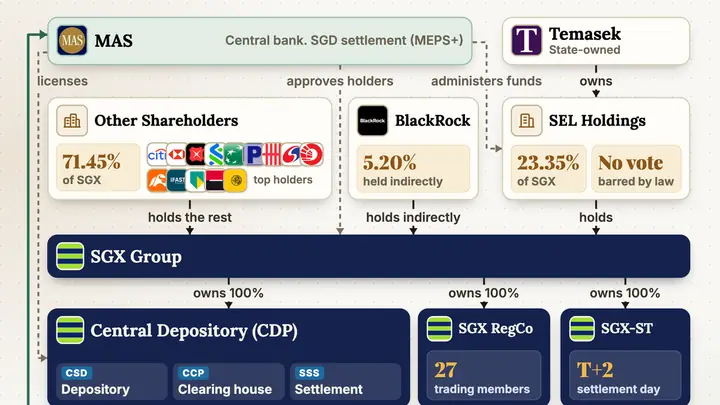 Who owns SGX and who holds your shares: CDP or brokerages? Who owns SGX and CDP, how concentrated the market is, whether CDP or your broker holds your Singapore shares, and how a trade settles at T+2.
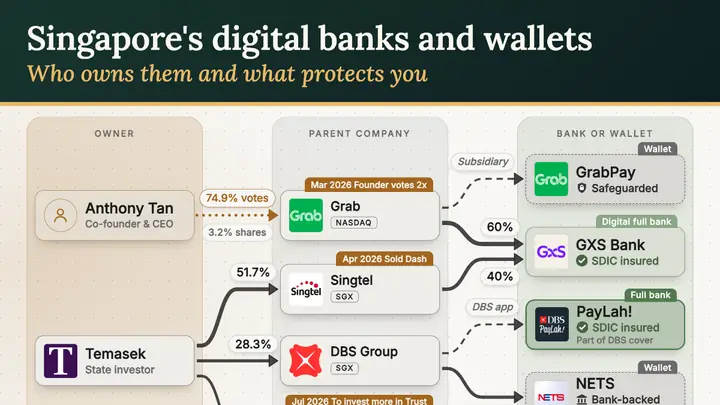 Who owns Singapore's digital banks and wallets, and what protects you: GXS, GrabPay and PayLah! Who owns GXS, Trust, MariBank, GrabPay and PayLah!? See the holders behind each, and which balances carry SDIC deposit insurance and which e-wallets do not.
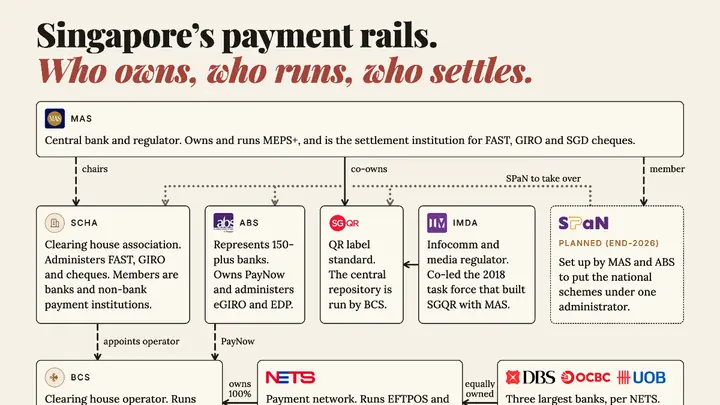 Who owns and runs PayNow, FAST, GIRO and NETS in Singapore? Who owns, runs and settles PayNow, FAST, GIRO, NETS, SGQR and cheques in Singapore, and how a payment passes through each of them.
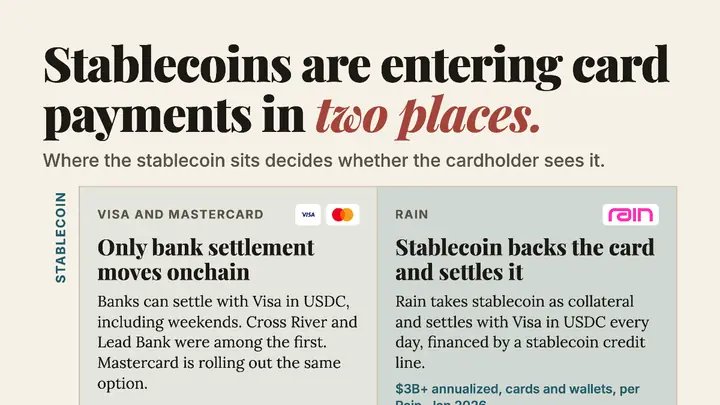 How stablecoins are entering card payments, from settlement to credit Visa's stablecoin settlement passed a $20 billion annualized pace in 2026. Follow one card payment, then four variations, to see where stablecoins now sit in settlement, funding and credit.
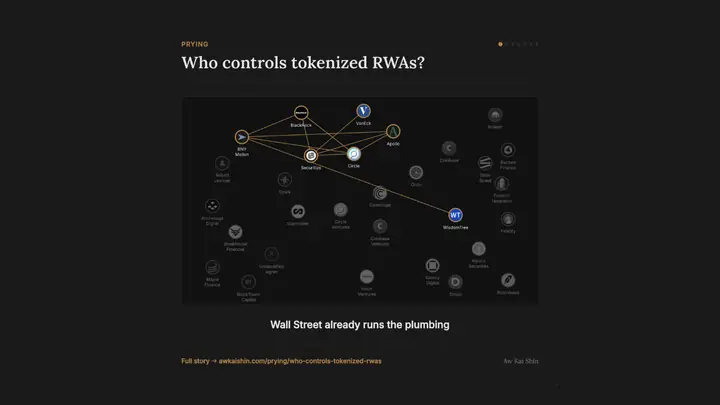 Who controls tokenized RWAs? Tokenized real-world assets are marketed as a wave of independent, competing products. The same transfer agents, custodians, banks, and venture firms sit behind most of them, several already mapped funding DeFi's own curators. Follow the web behind the wrapper.
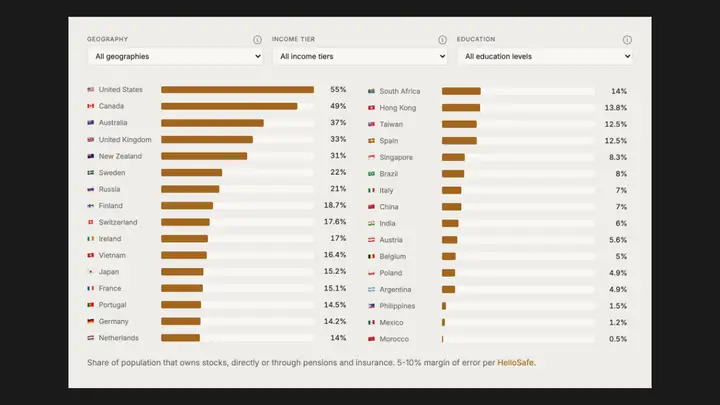 In the Stock Market by Default, Off the Table by Design Whether it's savings, retirement, insurance, or a pension, your money is already in public and private equity markets, a choice nobody asked you to make. Trace each account through its institution and decision-maker to see who actually calls the shots, and exactly where the law draws the line.
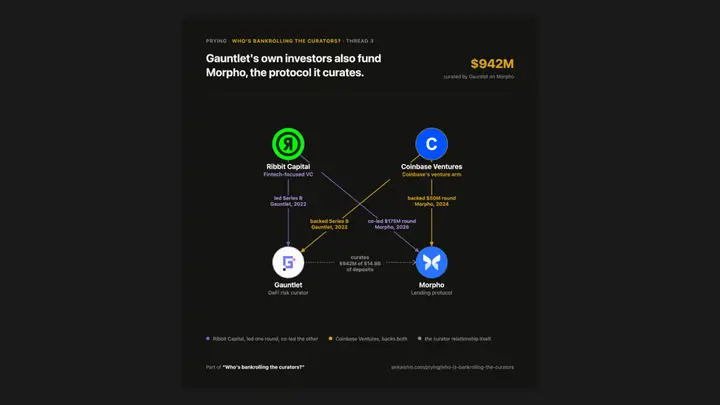 Who's bankrolling the curators? A handful of venture firms fund both the DeFi lending protocols and the third-party curator firms nominally managing risk on top of them. Follow the web of who funds, curates, and now directly powers the infrastructure on both sides of a check that was supposed to be independent.
Winners & Losers
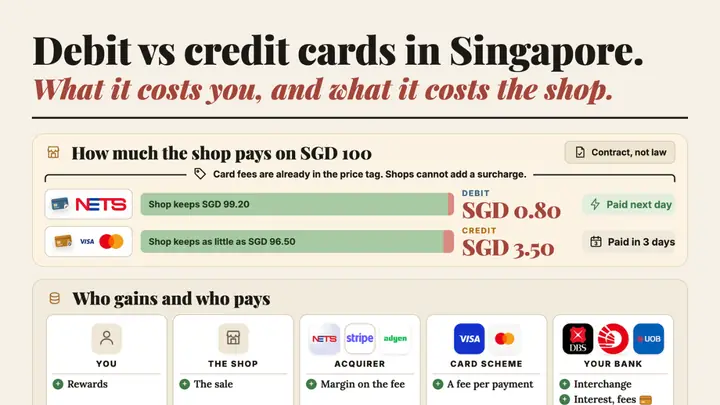 Debit vs credit card in Singapore: What you pay, what shops pay Debit vs credit card in Singapore. See what you pay, what the shop pays and why it is already in the sticker price, and who takes a fraud loss.
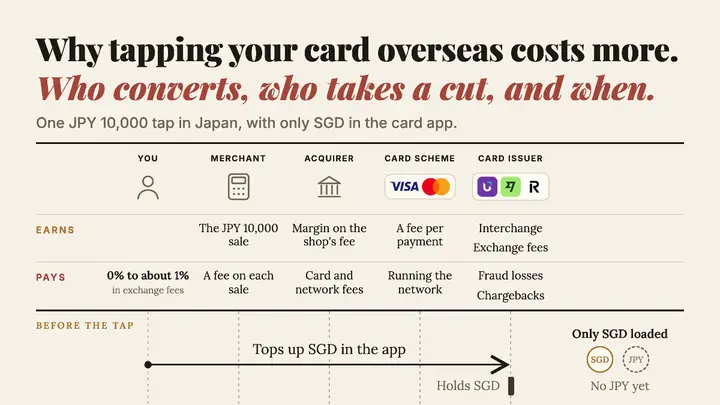 Why your card costs more abroad: YouTrip, Wise, Revolut or your bank Paid more than the Google rate overseas? See where your money is converted, who takes a cut, and what Singapore bank cards, YouTrip, Wise and Revolut charge.
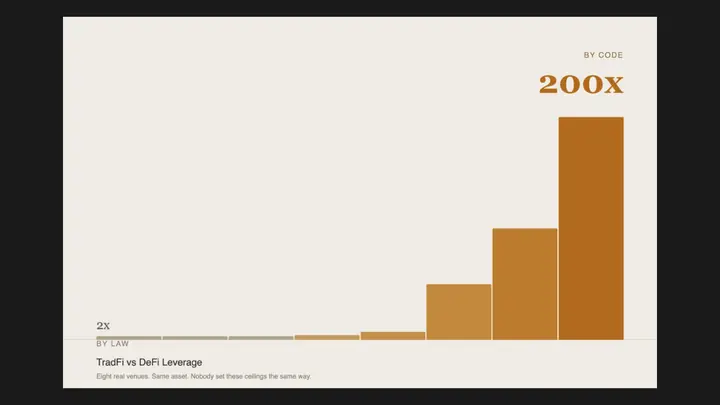 TradFi vs DeFi Leverage: 2x by Law, 200x by Code Margin, perpetuals, and DeFi collateral loops all call themselves leverage, but they charge for it in three structurally different ways. Drag the same $10,000 across all eight venues and watch the bill diverge.
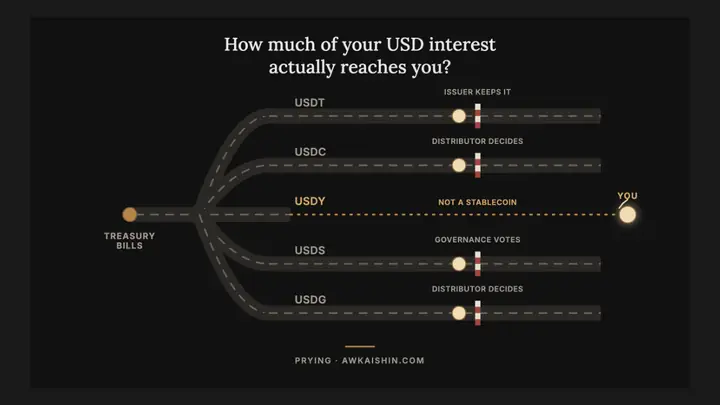 Stablecoins: Who captures your yields? A law bans stablecoin issuers from paying you interest on the Treasury bills backing your dollar. Follow that interest through five structures to see where it actually lands, and how an industry that set out to build a dollar needing no bank ended up here.
Systems and Society
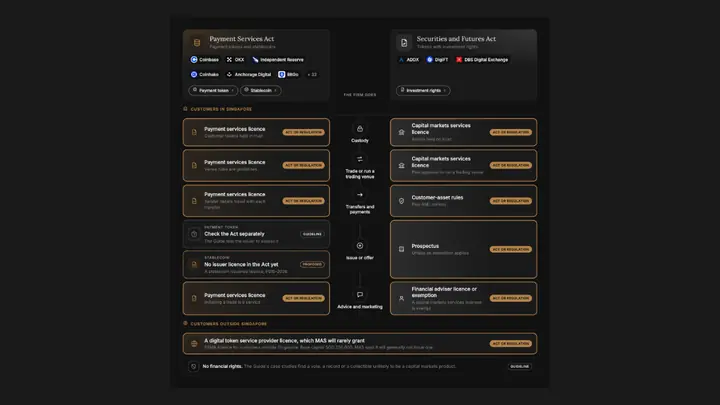 Singapore digital asset regulation: Which rules apply to which activity Singapore digital asset rules by activity: DPT, stablecoins, tokenised securities and the DTSP licence, each marked law, notice, guideline or proposal.
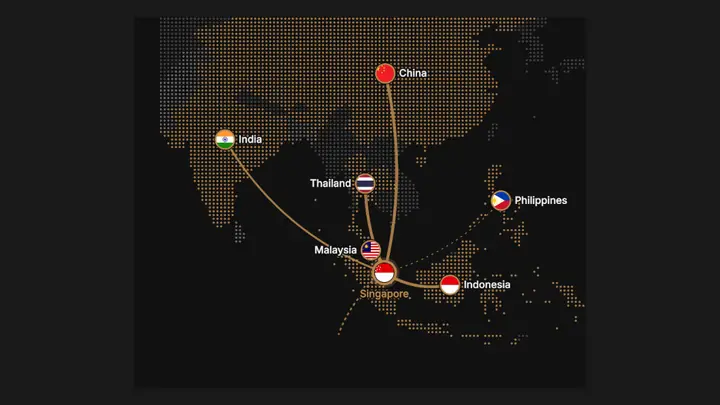 Sending money overseas from Singapore: Banks, Wise, PayNow and QR payments Follow your money through a SWIFT bank wire, Wise, PayNow, a QR payment or Western Union. See who holds it, who earns, what it costs and when it settles.
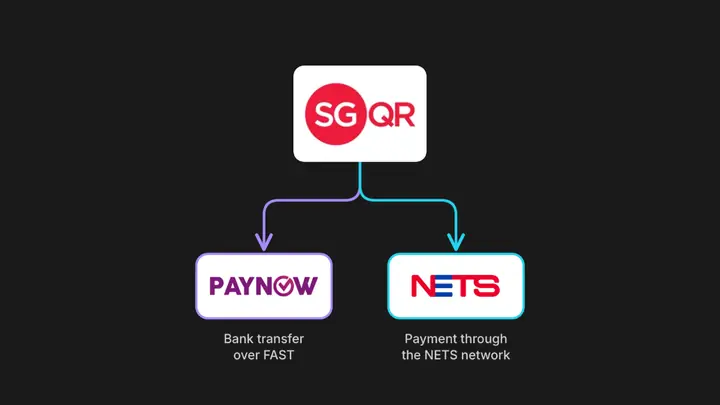 Why can’t every app scan every QR code? Singapore’s PayNow vs NETS QR One QR sticker can carry several payment schemes, and the apps it supports depend on which ones. See how Singapore’s SGQR, PayNow and NETS QR differ.
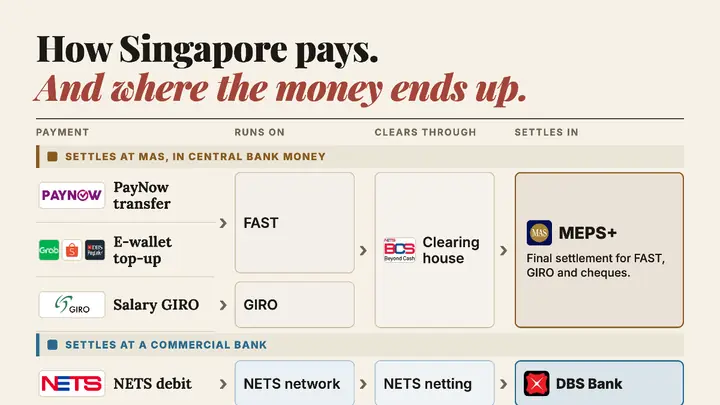 How money changes hands in Singapore: PayNow, FAST, GIRO, NETS and MEPS+ How Singapore's payment systems fit together, and where money changes hands for a card, a QR code, a cheque or a transfer.
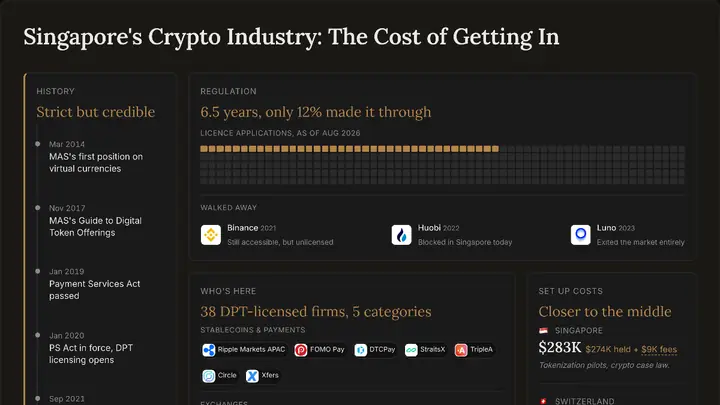 Singapore's Crypto Industry: The Cost of Getting In Fewer than 40 licensed firms out of close to 300 that tried, three global exchanges that left the licence process instead of clearing it, and an IRAS tax guide that never once mentions a DAO. What's legal, who's actually here, what it costs to set up, and who is hiring.
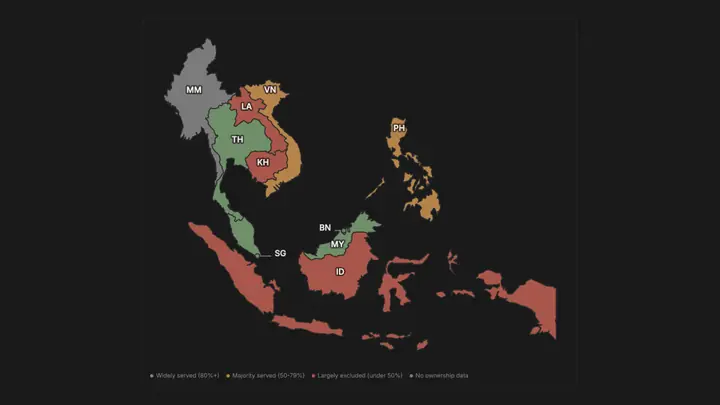 Mapping ASEAN's digital payment rails Speed, control, and who's actually using them. Ten countries, ten domestic payment rails, mapped side by side, every one of them run by a regulated institution.
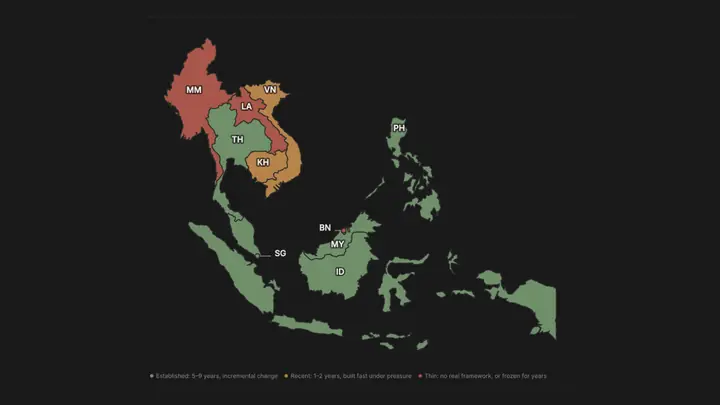 Mapping ASEAN's crypto scene What's legal, what's safe, what's yours. Ten countries, ten different answers, mapped, none of them sharing a rulebook.